

A field guide to the snakes of the world
Saw a snake? Find out what it is, and whether it can hurt you.
Upload a photo and tell us where you are. We only consider the snakes actually recorded in your county or country, then show the likely matches, whether they are venomous, and what to do next.
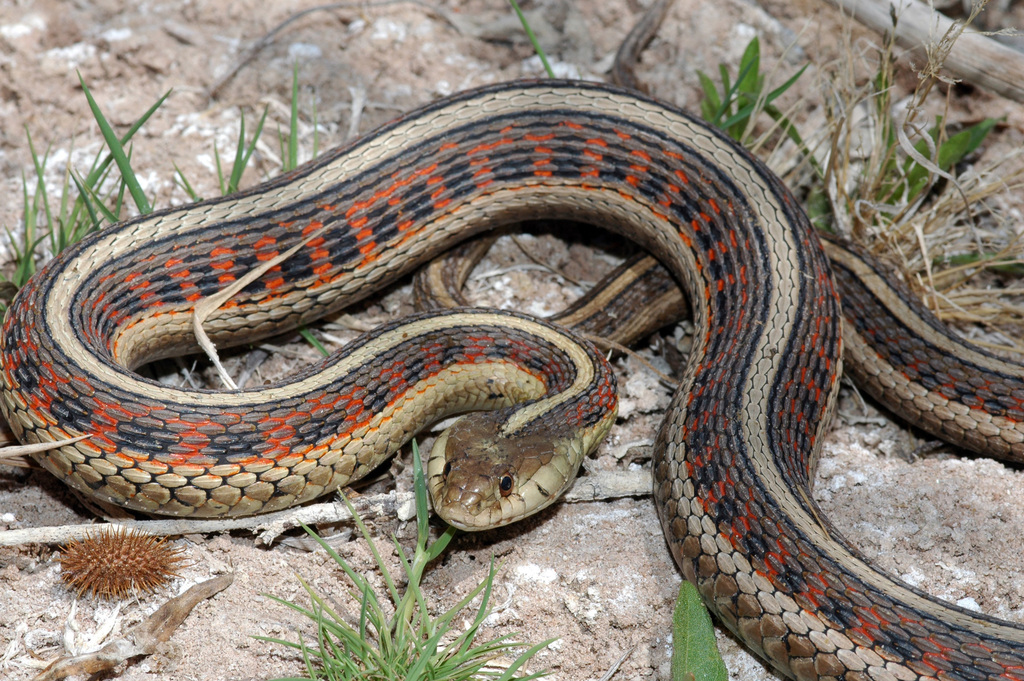
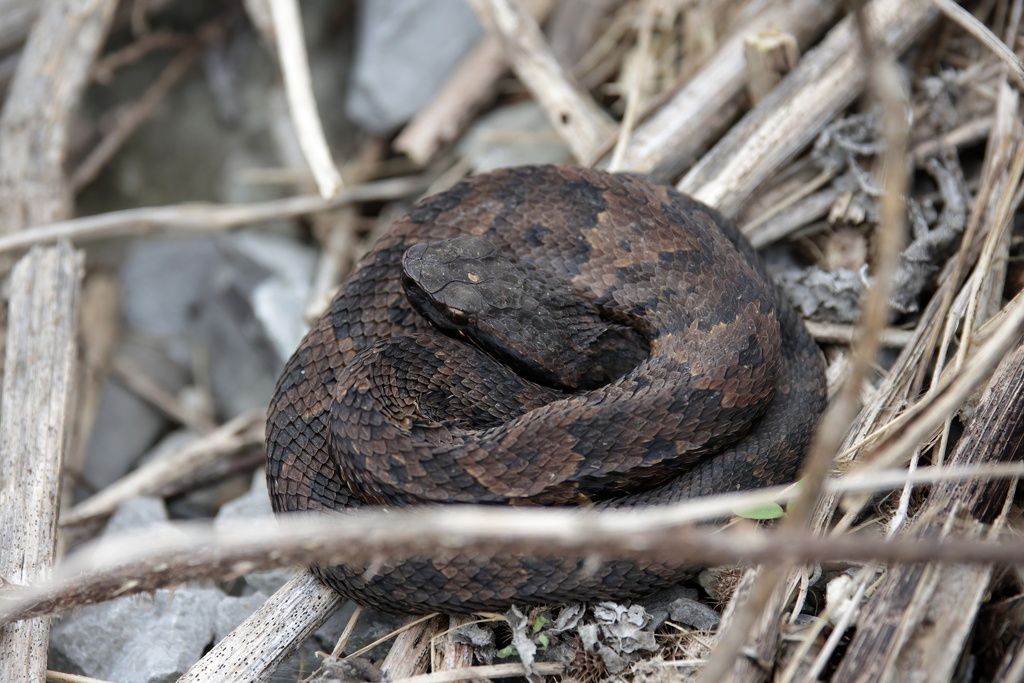
More than 4,000 snake species have been described worldwide. This guide profiles 3,200+ of them with verified wildlife records we can map to a real place, so every page is grounded in evidence rather than a bare checklist.


Tell them apart
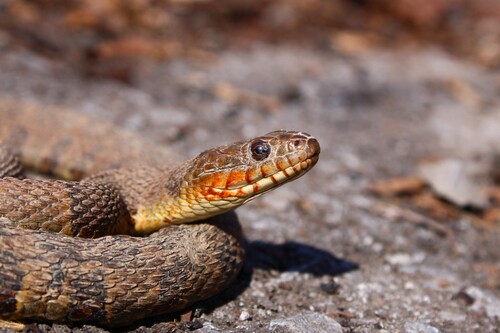
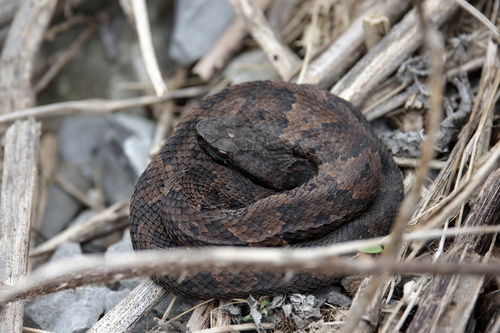
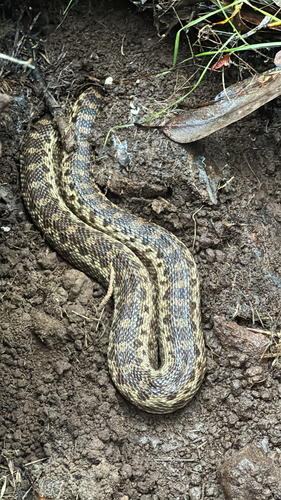
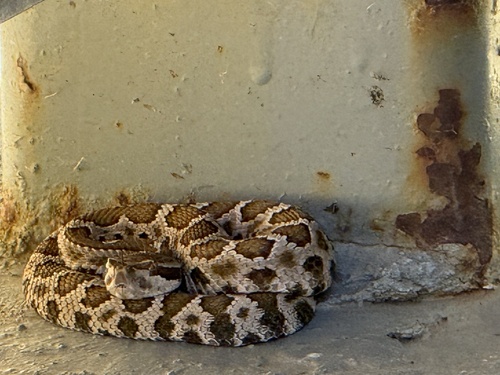
The snakes people mix up most
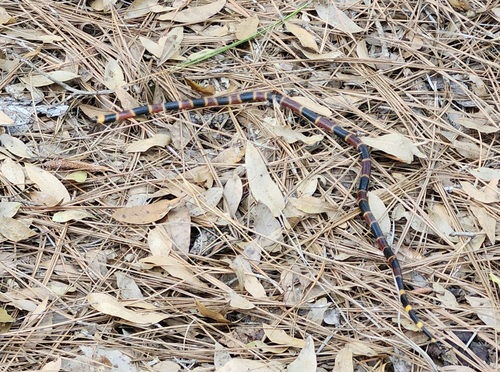
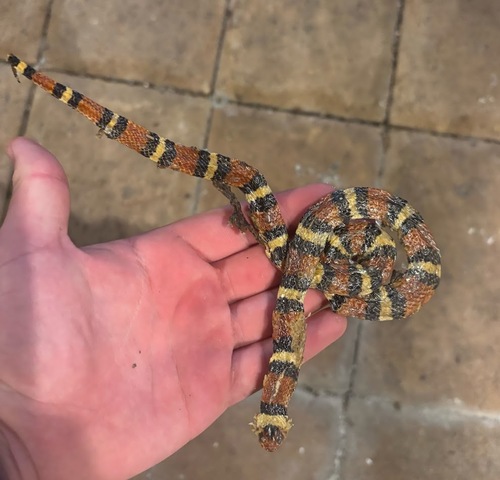
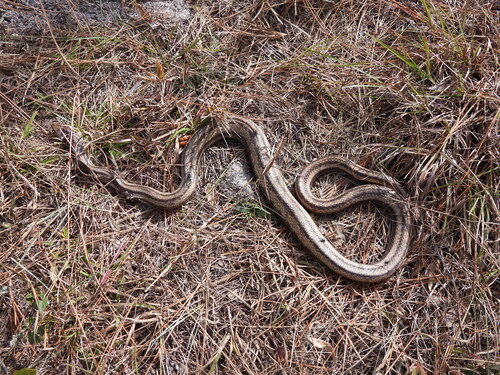
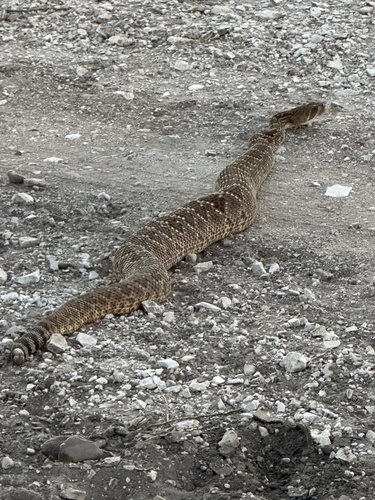
Most bites and most needlessly killed snakes come down to a few lookalike pairs. Each guide shows the one feature that settles it.
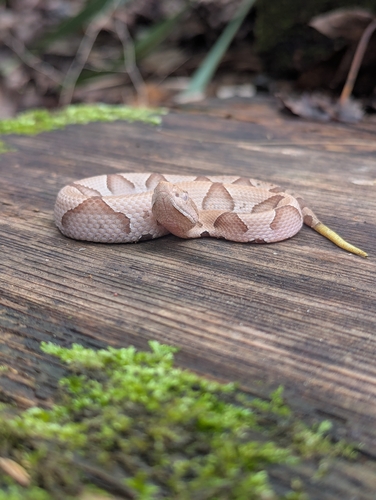
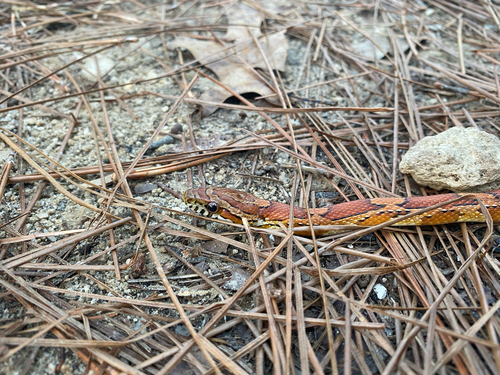
Know the dangerous ones
Most snakes are harmless. Only 774 of the 3,200+ species here are venomous.
Across the U.S. and Canada the medically significant snakes fall into three groups. We flag every one in your area and show the harmless look-alikes people confuse them with.
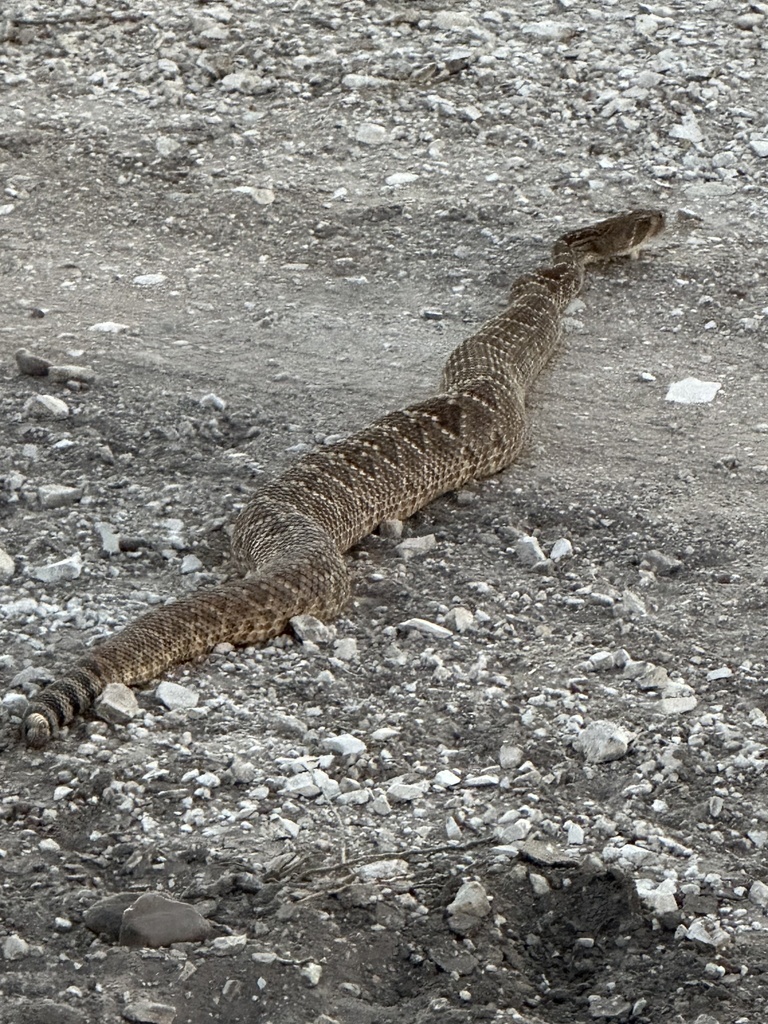
Rattlesnakes
23 species, from the diamondbacks to the timber rattlesnake. A segmented rattle and broad, triangular head.
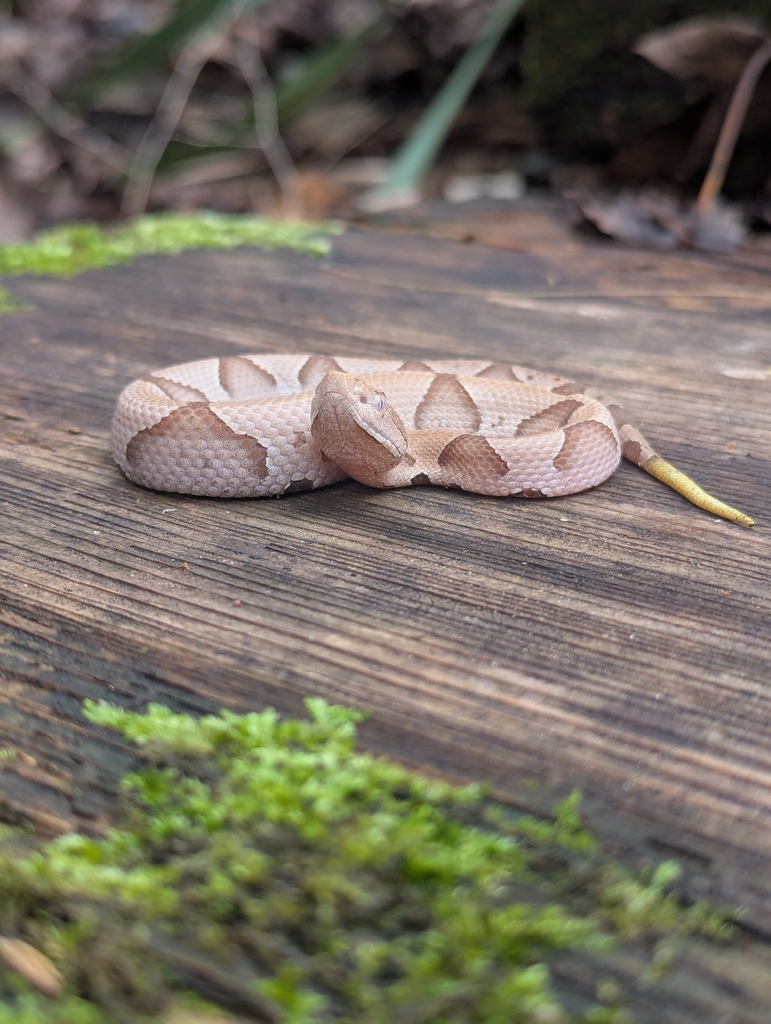
Copperheads & Cottonmouths
Pit vipers of the eastern and southern U.S. Cottonmouths gape to flash a white mouth lining.
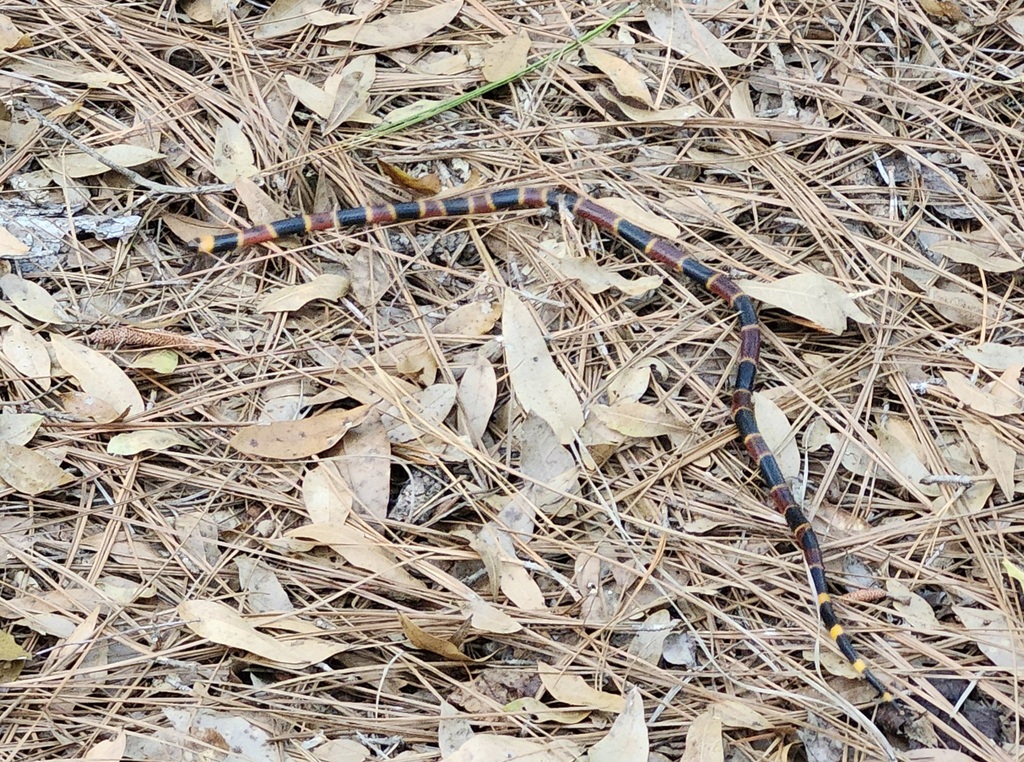
Coral Snakes
Neurotoxic, secretive, and banded red-yellow-black. Red touches yellow on the real thing.
Tool
Identify by location
Pick your county and compare what you saw against every snake recorded there, venomous ones flagged, photographs side by side.
Open the identifier →Tool
The snake ID quiz
A photograph, four choices. Learn to recognize the snakes of your region, one specimen at a time.
Take the quiz →How we know
Built on verified records, not guesswork.
Every page is assembled from millions of verified wildlife observations in GBIF and iNaturalist, mapped to each county and division. Venom status follows the CDC. We name our sources and show our work.
Our data & methodology →